More than a festive fable, Charles Dickens’ A Christmas Carol was born out of a period of immense social upheaval. When the novella was published in December 1843, Britain was in the midst of the Industrial Revolution. This was a period of staggering wealth for some and brutal poverty for many others.
The “Hungry Forties” and the Plight of the Poor
The 1840s were known as the “Hungry Forties,” marked by economic depression, mass unemployment, and the chaotic migration of families into overcrowded, polluted cities like London. The gap between the opulent rich and the desperate poor was glaring.
This era was defined by the cruel New Poor Law (1834), which abolished direct cash aid (“outdoor relief”) to the poor. To receive help, the destitute were forced into workhouses. These institutions were deliberately designed to be worse than the lowest laborer’s life outside. Families were separated, food was minimal, and the work was grueling. Scrooge’s callous line—”If they would rather die, they had better do it, and decrease the surplus population”—is a direct, scathing echo of the popular, Malthusian economic philosophy that justified this harsh system.
Furthermore, Dickens was personally galvanized to write the book after reading a government report detailing the horrific conditions of child labor, with children as young as four working in mines and factories. The vulnerability of Tiny Tim and the terrifying, allegorical children, Ignorance and Want, presented by the Ghost of Christmas Present, were Dickens’ plea to save the next generation from a life of destitution and crime.
A Ghost Story as a Call to Action
Dickens originally considered writing a political pamphlet titled An Appeal to the People of England on Behalf of the Poor Man’s Child. He quickly realized that a heartwarming ghost story would be far more effective in reaching the hearts (and wallets) of the middle and upper classes.
By setting the tale at Christmas, a holiday that Victorians were actively rediscovering as a time of generosity and family gathering, Dickens made his social message universally accessible. The story wasn’t just about donating; it was about a fundamental shift in perspective. Through the contrast between the miserly Scrooge and the generous Fezziwig, Dickens argued that an employer’s duty extended beyond the payroll, insisting on a humane, familial responsibility for the well-being of one’s workers, such as Bob Cratchit. The radical notion of the story is that the solution to society’s ills begins with personal moral transformation. Scrooge’s conversion from self-interest to community involvement was a template for Victorian readers to follow.
The impact was immediate. The book was an instant bestseller, sparking a palpable increase in charitable giving and contributing to a growing social reform movement that would, in time, lead to legislative change. A Christmas Carol didn’t just change how the English celebrated Christmas; it helped change how they viewed social justice.
Experience the History, Live on Stage
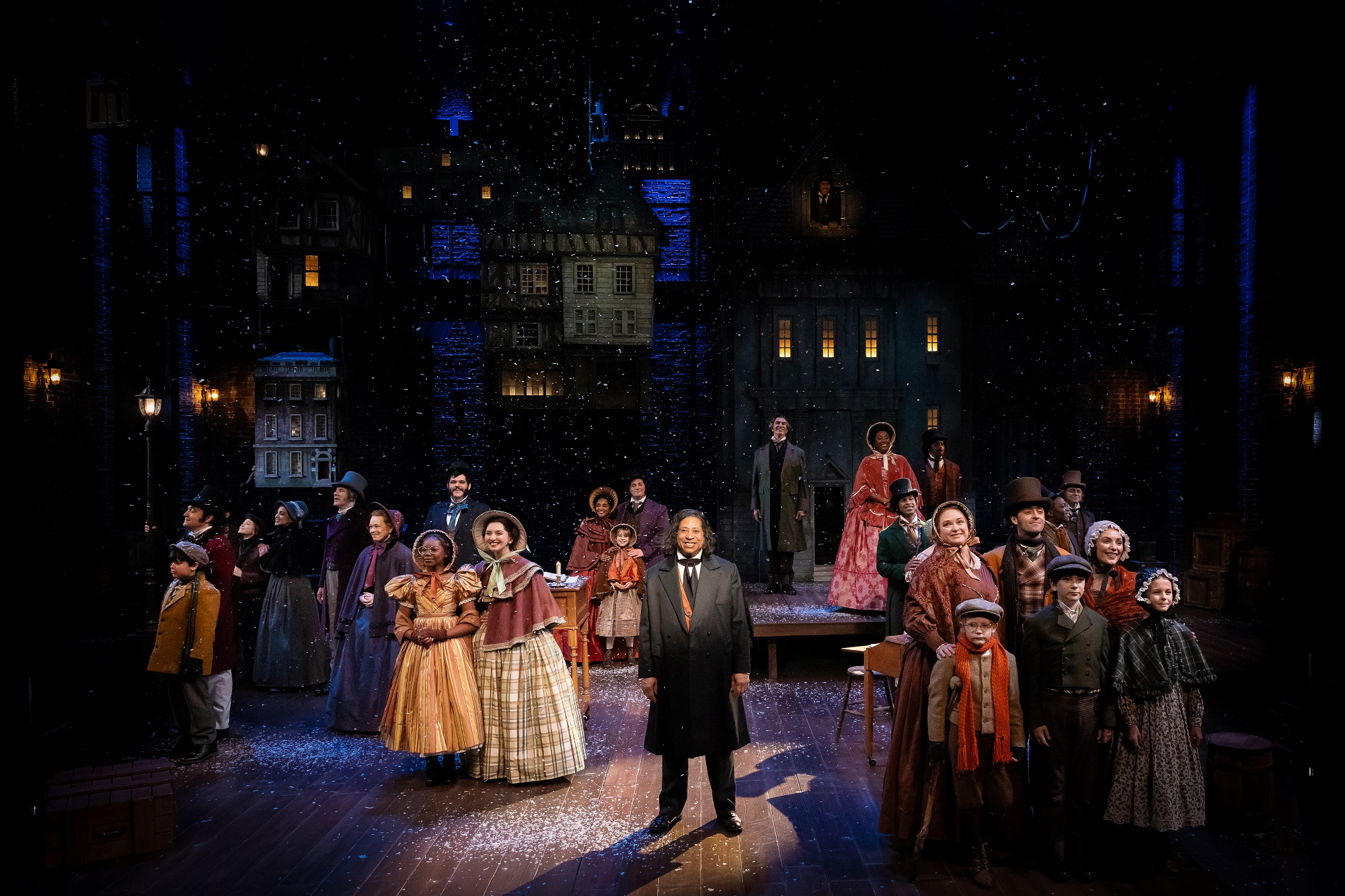
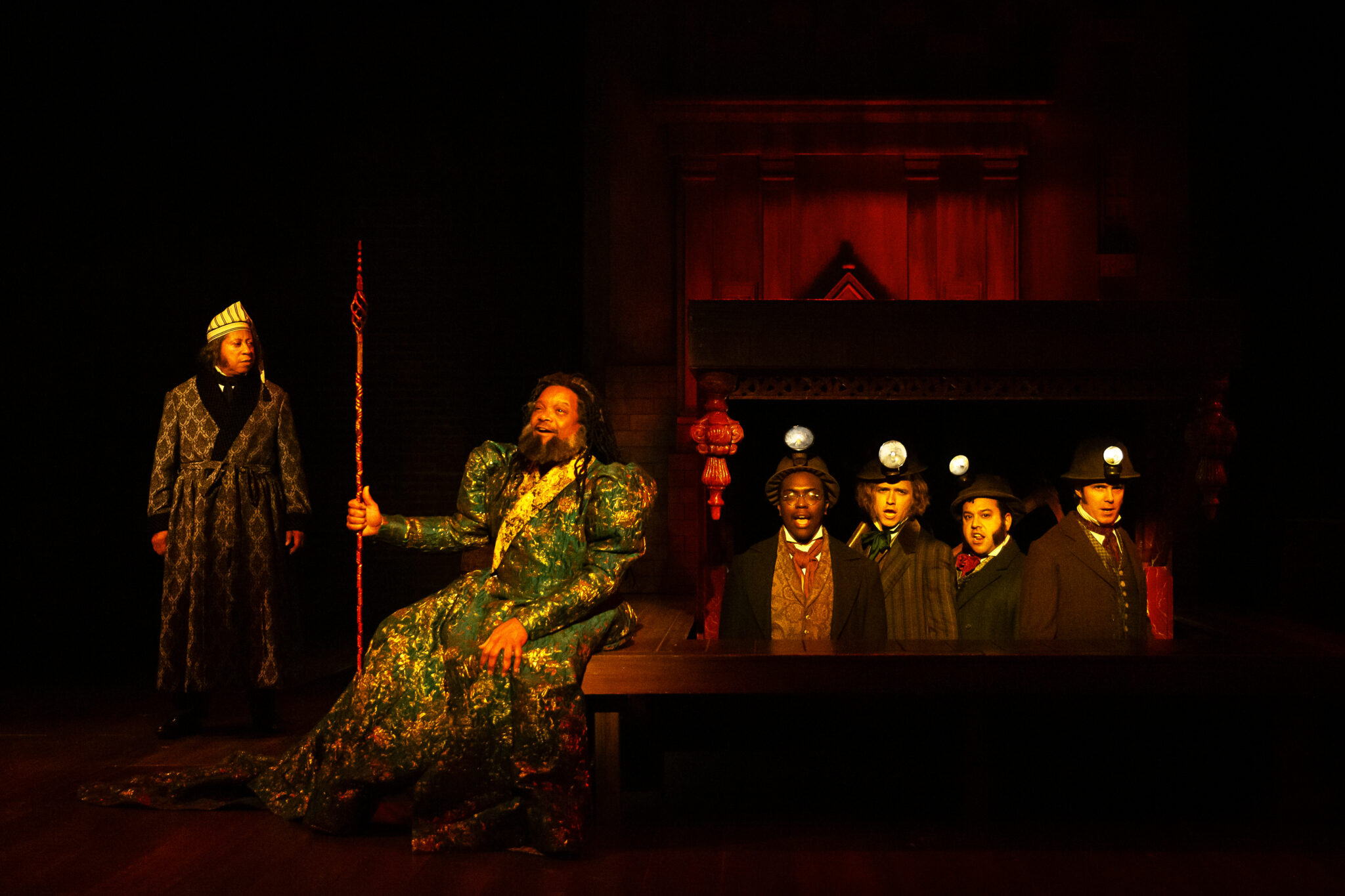
This is the rich, impactful history that lives within every performance of this classic. Our production brings the stark contrast of Victorian London to life, from the chilling gloom of Scrooge’s counting-house to the radiant warmth of the Cratchits’ meager feast.
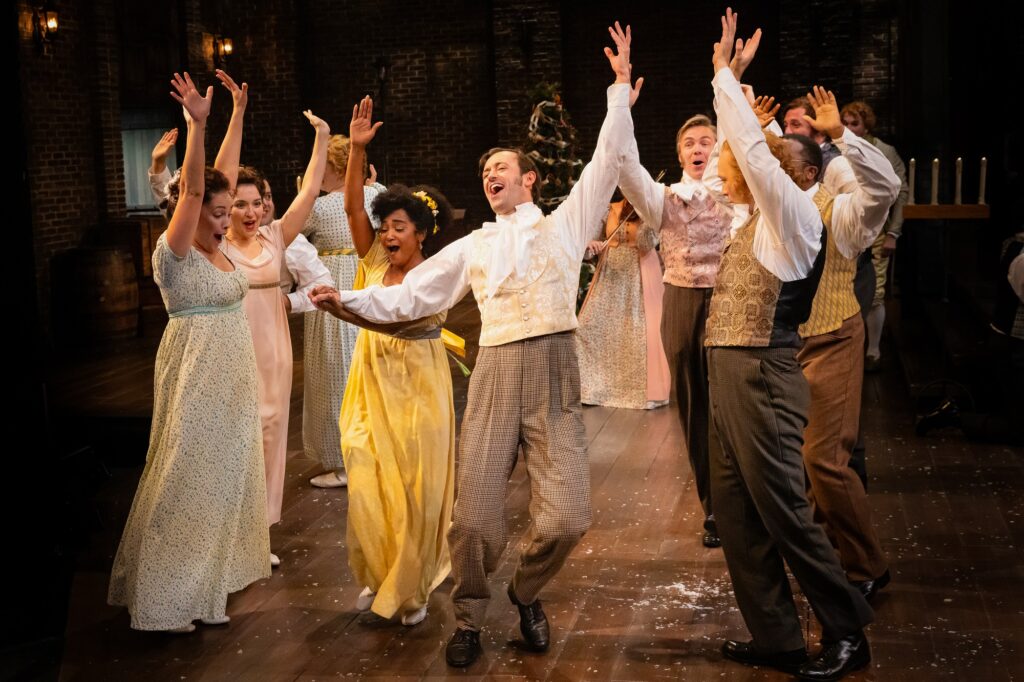
We invite you to step back in time and experience the raw power of Dickens’ masterpiece. Witness the spirits’ warnings, feel the Cratchit family’s struggle, and join in the ultimate, joyous celebration of Scrooge’s change of heart. It is a necessary reminder that compassion, responsibility, and the possibility of redemption are timeless.
Tickets are on sale now for Alley Theatre’s A Christmas Carol!