
Liz Duffy Adams
Lunacy
Or,
The Emperor and Empress of the Moon
What inspired you to write your play?
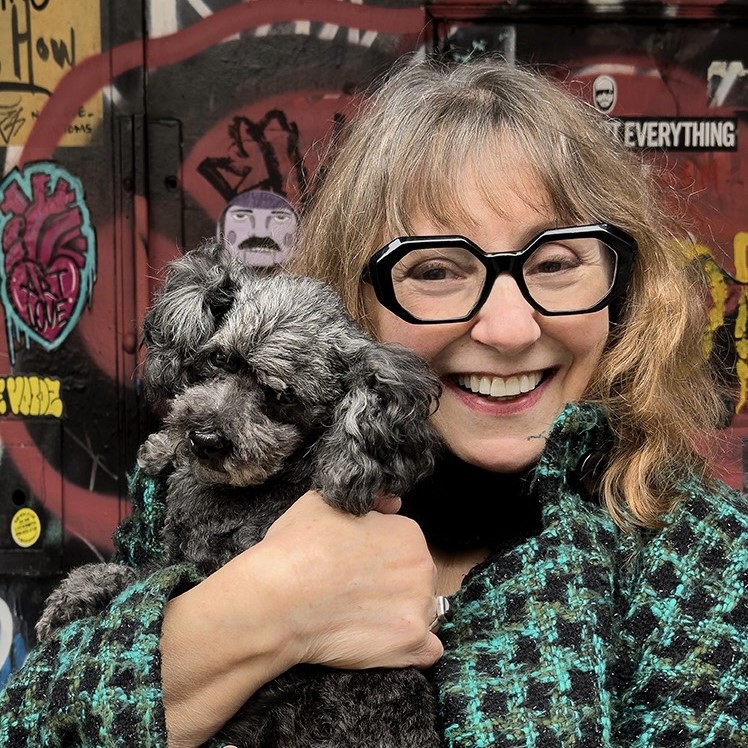
It started with Rob Melrose telling me about NASA’s Artemis Project. I said, “Oh! I should write a play about that,” and promptly forgot all about it. Luckily for me he remembered. And it grew out of a series of conversations between us at Alley at Ucross retreats, and out of my love for Restoration Comedy and science fiction, history and space and the plus ça change, plus c’est la meme chose of it all.
Hometown: answer as you see fit; doesn’t have to be one place.
I am bi-ographic; I bounce between NYC and Western Mass.
What is the best advice you’ve ever received?
When you’re stuck, write the bad version.
Why is it important to see new work?
Because new work is in conversation with our present moment and we need to be in conversation with it.
How does your play speak to our current moment?
Lunacy looks at the present moment obliquely from the past and the future to explore our changing relationship to our still mysterious moon, and to our beautiful fragile planet in our perilous knife’s-edge moment.
Where does your writing process begin: character, conflict, question, image? Or somewhere else?
The starting place is usually landscape: an extremely specific visual visceral sense of time and place. Character is implicit in that, and they bring the question with them. Erik Ehn once said every play begins in ruin, and that really works for me.
What playwrights do you most admire right now?
If we’re talking of living playwrights I could mention Anne Washburn, David Adjmi, Paula Vogel, Lynn Nottage, Mac Wellman, and Suzan-Lori Parks.
What is a piece of art (play, film, painting, album, anything) that inspires you?
Can’t do just one––here’s a few: Frank O’Hara’s Lunch Poems; Sinead O’Connor’s I Do Not Want What I Haven’t Got; the Rothko Chapel; Céleste Boursier-Mougenot’s clinamen; Pogo comics by Walt Kelly.
Jake Brasch
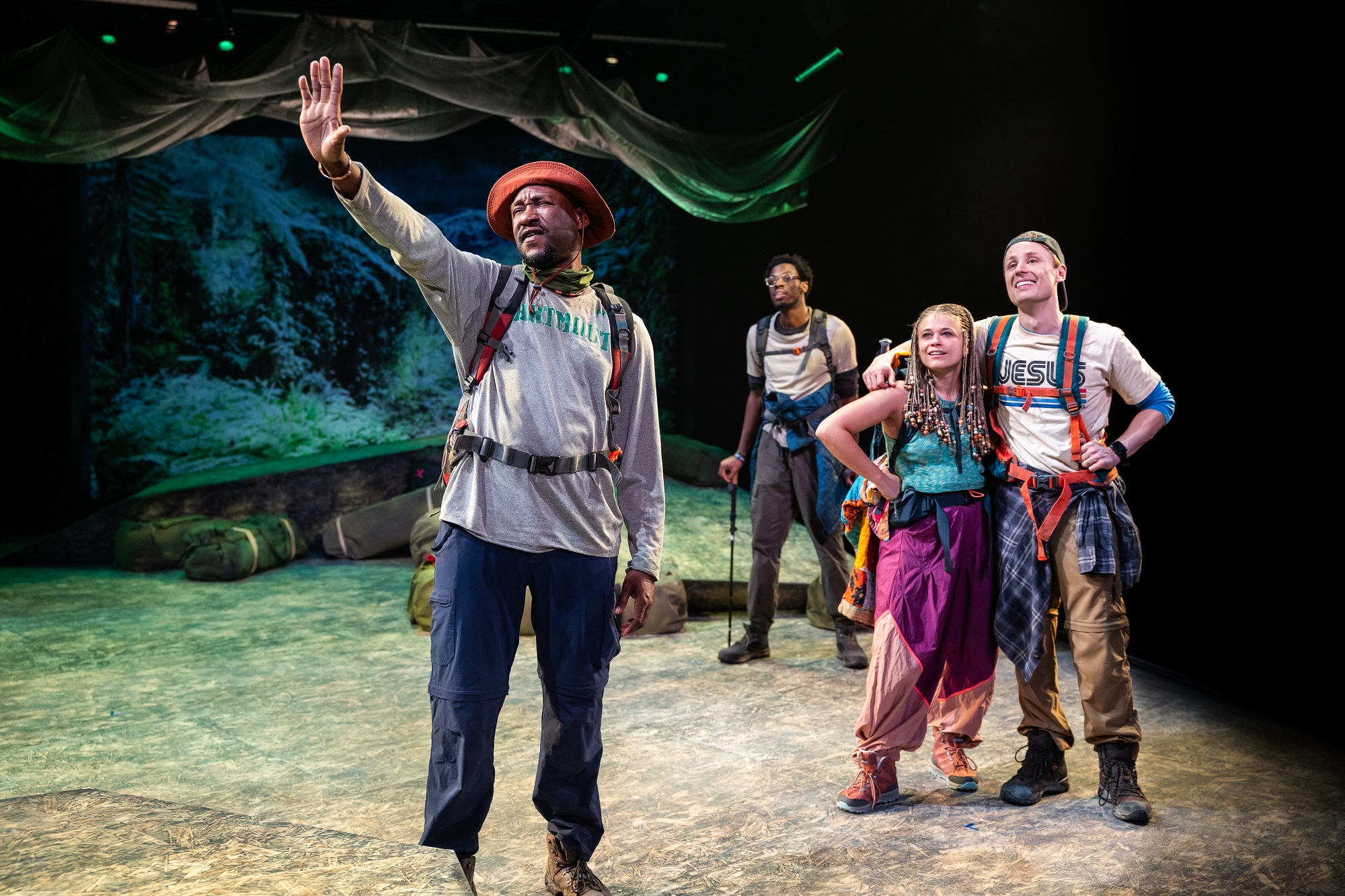
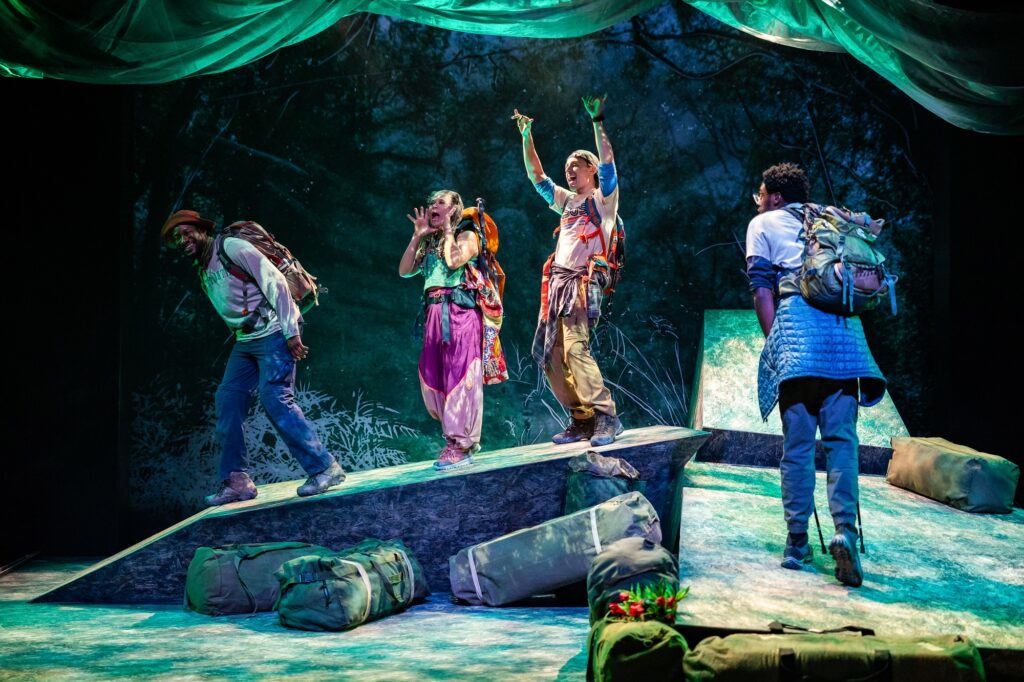
Family Weekend
What inspired you to write your play?
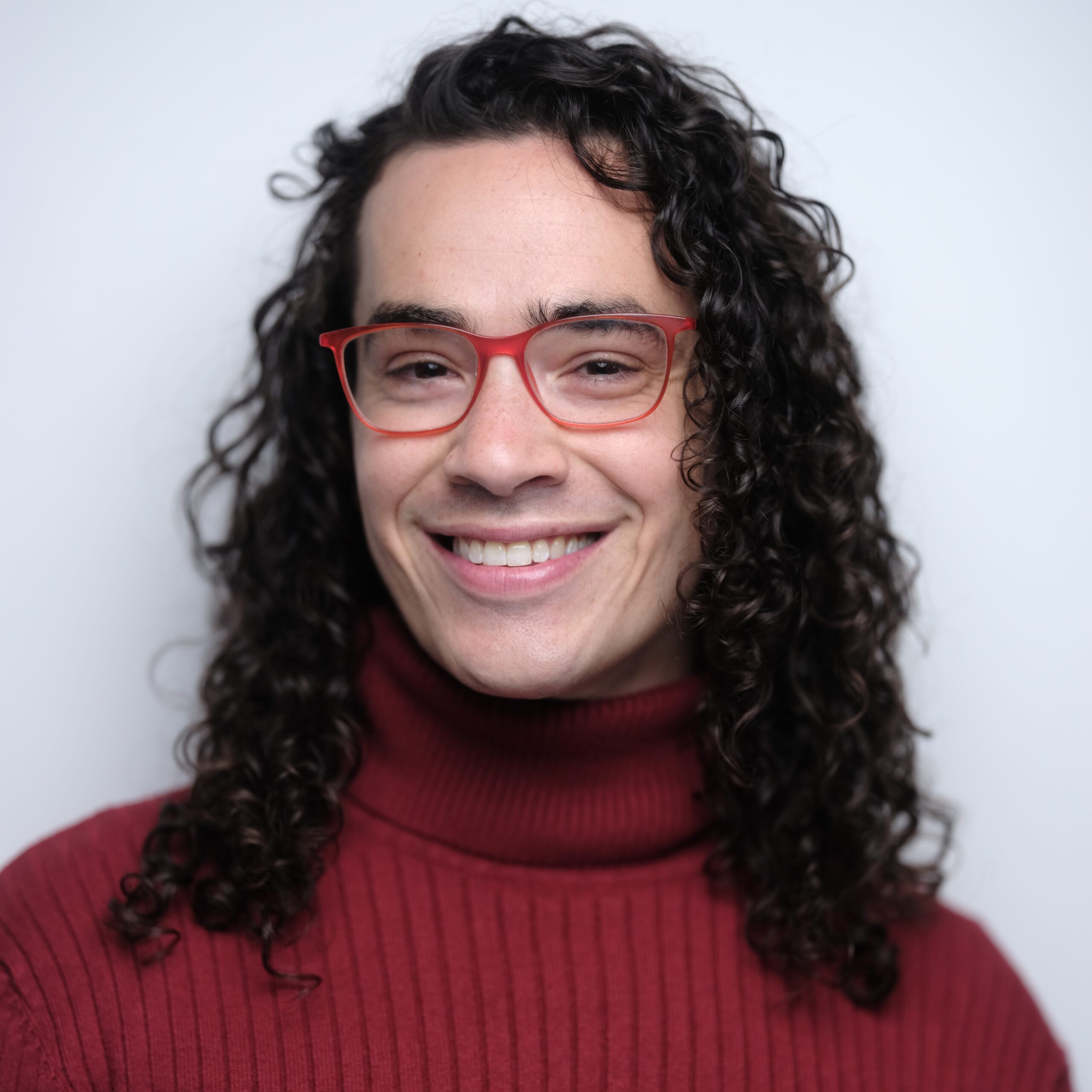
Last year my play The Reservoir was produced at several theatres around the country. This was miraculous! It was also very scary. The play is (loosely) based on my recovery from addiction. Suddenly, I was well known for being sober. I began to receive a deluge of messages from folks who wanted to talk.
Curiously, most of them weren’t addicts themselves. They were the parents, spouses, and children of addicts. They were in crisis. They needed answers and I had very few. After these conversations, and watching my autodrama over 150 times, I found myself craving a different side of the story–one I’ve barely seen onstage or screen.
So I set out to write a play about addiction with no addicts in it. I wanted to center the families: the people who, through no fault of their own, become entangled in the addictions of those they love. I wanted to write about the strange experience of codependence. I planned to write a naturalistic drama and ended up writing a comedy with a surrealist streak. Whoops! It turns out a deeply diverse group of folks in crisis is a recipe for a lot of conflict, but also a ton of humor…and who doesn’t love an elk?
Hometown: answer as you see fit; doesn’t have to be one place.
Denver, Colorado.
What is the best advice you’ve ever received?
The path to freedom is through structure.
Why is it important to see new work?
Three reasons:
We desperately need contemporary art to help us understand our broken world.
It’s so satisfying to be part of the creation of a play. You have so much more agency than you do when you watch something that’s already been baked. Your reaction WILL change the text. It’s ALIVE!
And most importantly: there are great new plays being written! All of my favorite writers in the world are people making plays right now. Maybe I’m biased, but I deeply believe in this generation of theatre writers. The work is exciting and strange and funny and urgent.
Do you have any writing rituals?
Yes. Every time I write a play, I lose my mind. My most consistent ritual! It starts with a good idea. Then I start writing. Then I become convinced it’s nothing. Then I make everybody read it and try not to cry. Then I rewrite. Then I bring it to actors. Then I realize it’s actually pretty good. Repeat!
I am a chaos writer. I write in small bursts in random places. I have no desk and never have, thanks to the lack of apartment space in New York. So I write on the subway, in theatre lobbies, and in restaurants until I’m kicked out. This seems to work for me? Confusing.
For example, right now I’m writing this at a pastry shop in Midtown where I just bought a twelve-dollar croissant and Miley Cyrus is absolutely blasting over the speakers.
Oh, I also announce readings of plays I haven’t written yet. I’m like come to my reading of Desire at the studio I just paid for. Then I have to write a play with that title. I desperately fear embarrassment, so I write it.
Gloria Majule
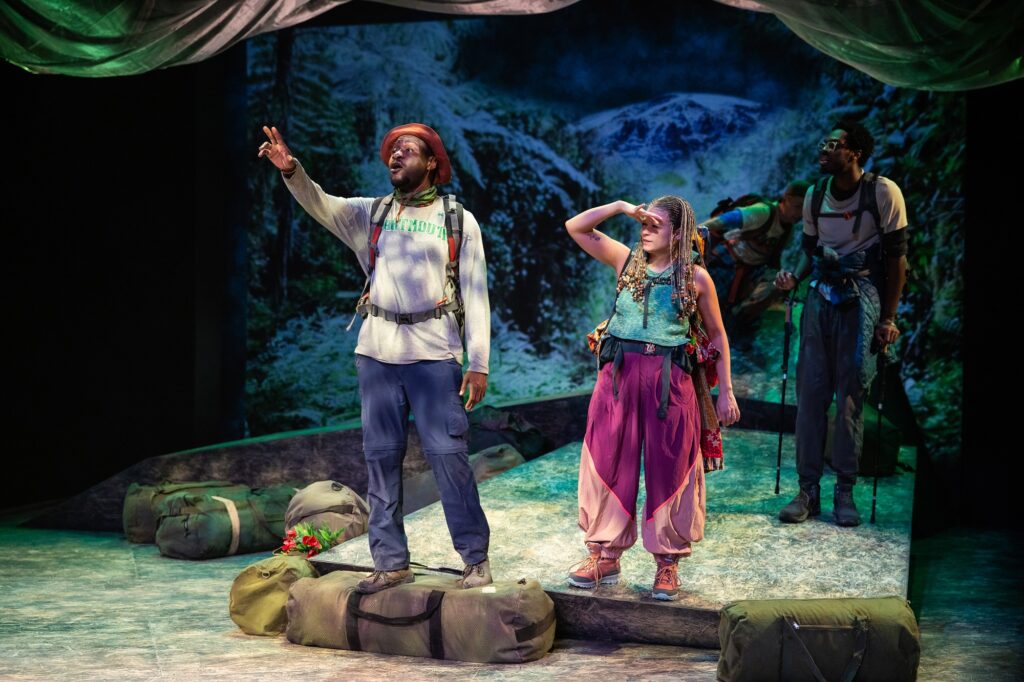
African Moms’ Book Club
What inspired you to write your play?
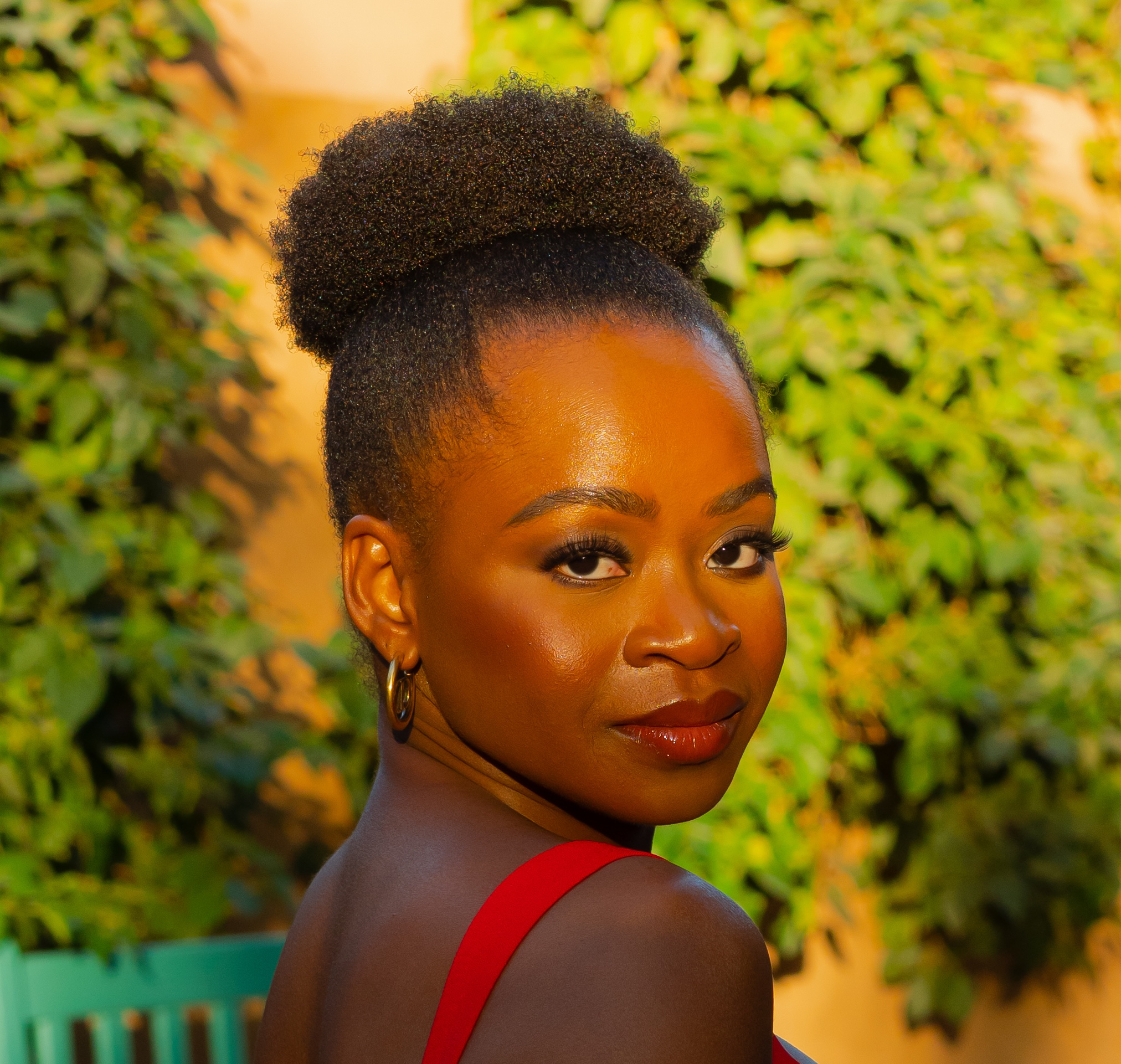
During the course of her life and against all odds, my mother has worked her way up from lower working class to Tanzanian middle class. When I was home for my wedding and sendoff party in the summer of 2023, some of the richest women in Dodoma were in attendance because they were friends with my mother. These women were either very Christian or very Muslim. The idea of African Moms’ Book Club was planted in my head.
Hometown: answer as you see fit; doesn’t have to be one place.
Dodoma, Tanzania
How does your play speak to our current moment?
Tanzania is not a LGBTQ+ friendly country. The excuse a lot of people use is that queerness is “Western” and “un-African” and “un-Christian”. However, in my reading and research, I have found evidence that queerphobia was brought to Africa by colonizers and missionaries. History shows that queerness was embraced by many African tribes before it was considered a “sin” thanks to the introduction to Jesus. Multiple studies show that the Bible has often been misinterpreted and misconstrued in what it says about queerness. So why not use the source material of the Bible to draw in my community, and spark conversation about the importance of LGBTQ+ rights in African countries?
Where does your writing process begin: character, conflict, question, image? Or somewhere else?
I most often start with characters
Do you have any writing rituals?
I love writing while listening to orchestral renditions of pop music.
What playwrights do you most admire right now?
I really admire the work of my friends Phanésia Pharel, Audley Puglisi, Banna Desta and Nabra Nelson.
Luis Quintero
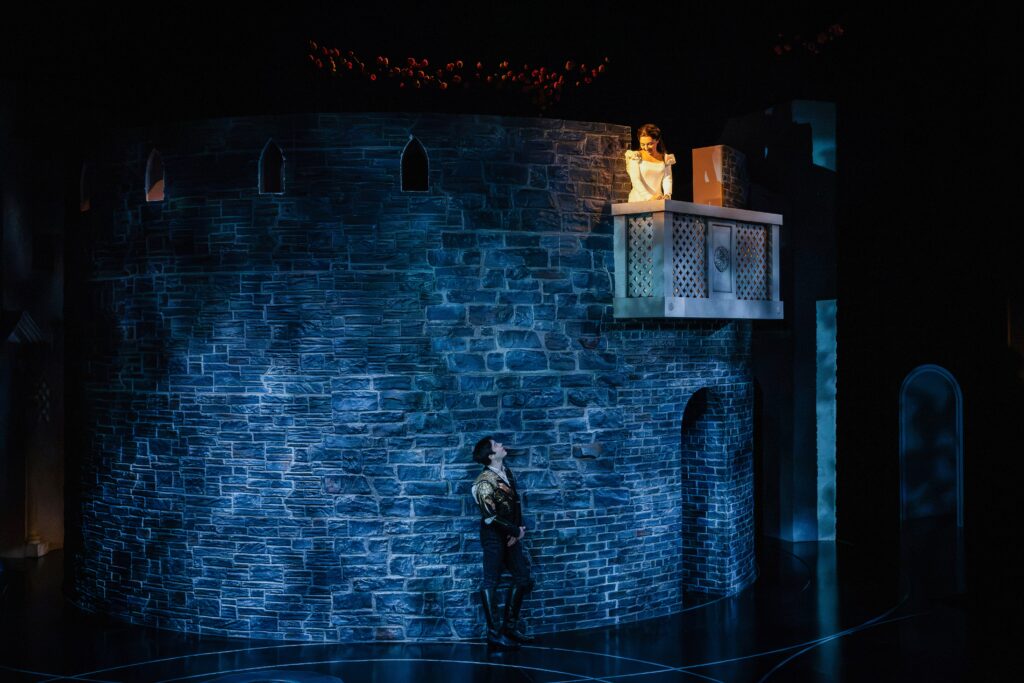
Hippolytus/Phedra
What inspired you to write your play?
As a playwright, I’m interested in difficult topics. In the Classical tradition Phedra is a woman who is in love with her step son, and after being rejected by him falsely accuses him of rape. This story is not alone Greek–it appears in the Bible and the Qur’an, in the story of Joseph and Potiphar’s wife. I began to look at all the surrounding factors that could lead someone to make such an immoral decision. I thought of the relationship to her husband Theseus ( a known abuser), the inherited shame from her mother Pasiphae (Who bore the Minotaur), and the tumultuous relationship with her step son, the half Amazonian Hippolytus. It became clear to me that this woman only ever wanted love. Genuine, empathetic love. But the world taught her that manifestation of such love was inherently violent and shameful.
On the other hand Hippolytus is traditionally viewed as the epitome of male virtue and chastity. But I had to go deeper. Why would such a man be so vehemently against women and sex? I was drawn to the idea that Hippolytus knows the abusive nature of his father and resolves to never become anything like him. Thus this “hatred” of women is borne, in his view, from a righteous place. But he also yearns for love–genuine empathic love. His biological mother dies when he was young, and so he also yearns for a mother’s affection.
This culminates into a moment fraught with toxicity, sexual tension and the overwhelming desire to be loved from both parties. Violence and sex are so intertwined in our collective human history, yet we are much more inclined to accept violent entertainment than to address the taboo of sex. This play has it all, and demands a nuanced consideration of all the factors that lead to the tragedy.
Hometown: answer as you see fit; doesn’t have to be one place.
Born in Caracas, Venezuela. Raised off of Fry road in Katy Texas.
What is the best advice you’ve ever received?
Remember to be your own best friend.
Why is it important to see new work?
At the ancient Greek play festival The Dionysia, the winner was often considered to be the piece that held the best advice for the society at the time. And in that tradition in supporting new work, we are actively contributuing and supporting the search for the best advice for our society in this time.
How does your play speak to our current moment?
For me it’s all about the courage to broach difficult complex topics with empathy and nuance. That nothing is so simple as it seems. That even the best intentions can bring out the worst outcomes.
Where does your writing process begin: character, conflict, question, image? Or somewhere else?
In this play it began with the central dramatic act in question, and then ‘why?’ Why this story, why these questions, why right now. In a fruitful process, the why deepens and develops and in more barren soil it withers and dries.
Do you have any writing rituals?
For Hippolytus/Phedra, I love getting a coffee in the morning with oat milk and two Splendas, then I read an Aesop fable or two to prime my imagination, then dive right in.
What playwrights do you most admire right now?
Brian Quijada, Nigel B Robinson, Kate Hamill, Shakespeare (Is that cheating?)
What is a piece of art (play, film, painting, album, anything) that inspires you?
Music: System of a Down, Flyleaf, Agine de Poitrine, Creed, Deftones, Paramore
What’s the strangest thing you’ve had to google in your writing process?
Not strange but certainly an illumination of my ignorance. The definition of Sequin.
Come to the 10th Alley All New Festival this October, and say you saw it here first! Reserve your free tickets today!