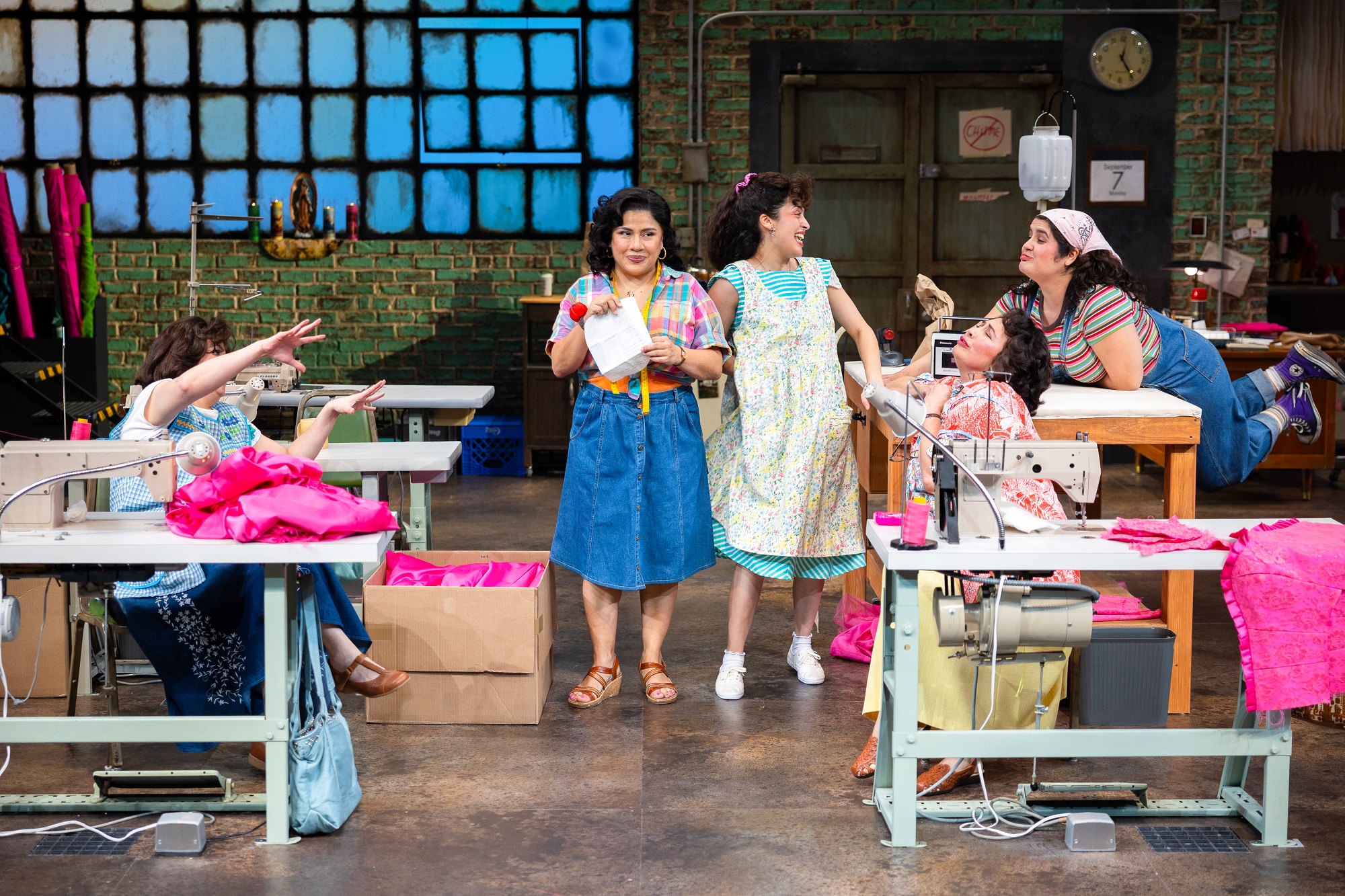
Alley Theatre has partnered with El Zócalo member Pasadena Public Library to help create greater awareness around our current production of Real Women Have Curves. Through the El Zócalo initiative, our goal is to uplift community voices and ensure that audiences see their own stories reflected onstage.
What better way to do that than by inviting Pasadena Public Library’s patrons into the theatre—and sparking meaningful conversations around the play’s powerful and relevant themes? Real Women Have Curves explores the complexity of mother-daughter relationships, body image, cultural identity, family legacy, and the creativity and labor of sewing, among so many other resonant topics.
The Pasadena Public Library team has curated a beautiful and thoughtful book display in honor of the production, running through February 15. This display invites audiences and readers alike to continue the story beyond the stage through voices and narratives that echo the heart of the play.
Below is a list of the featured books and how they connect to the world of Real Women Have Curves. We invite you to visit Pasadena Public Library to explore these incredible titles and more!
Featured Books & Their Connection to the Play’s Themes
Yo no soy tu hija perfecta by Erika L. Sánchez
A heartfelt coming-of-age novel about a Mexican American daughter navigating family expectations, identity, and independence. Like Ana in Real Women Have Curves, the protagonist struggles with the pressure to meet cultural and parental ideals while trying to define her own future.
Real Women Have Curves (the movie)
The beloved film adaptation that introduced many audiences to this story. Centered on body acceptance, ambition, and family tension, the movie offers another lens on the same powerful themes brought to life onstage at Alley Theatre.
Brown Girls by Daphne Palasi Andreades
A lyrical and intimate novel celebrating friendship, girlhood, and the shared experiences of women of color. This book resonates with the community of women in the garment factory and highlights their humor, struggles, and fierce love for one another.
Family Lore by Elizabeth Acevedo
A multi-generational story about Dominican American women, family secrets, and inherited strength. Like Real Women Have Curves, it explores how daughters and mothers carry both love and tension and how family history shapes identity.
Las Madres by Esmeralda Santiago
A powerful narrative about motherhood, sacrifice, and resilience. This book aligns closely with the character of Carmen, reminding us that mothers often carry their own dreams and disappointments while trying to protect their children.
Sewing Books
Complete Book of Sewing Techniques by Wendy Gardiner
A practical guide that honors the artistry behind sewing. In the play, sewing is more than labor. It is skill, survival, and legacy. This book highlights the craft that shapes the lives of the factory workers.
Weekend Sewing by Heather Ross
A joyful collection of approachable sewing projects that celebrates creativity and self-expression. It connects beautifully to the play’s theme of women shaping their lives with their own hands, stitching together hope and possibility.
Sewing Bits and Pieces by Sandi Henderson
A resource focused on the details and tools of sewing, echoing the everyday reality of the garment factory. It reflects the hardworking world of the play and the care taken in even the smallest acts of creation.
Simple Sewing with Lola Nova by Alexandra Jackson
An encouraging sewing guide full of charming projects and creative inspiration. It speaks to the empowerment found in making something yourself, a theme deeply woven through the lives of the women in the play.
The Sewing Bible by Ruth Singer
A comprehensive guide that honors sewing as both tradition and innovation.
The Complete Idiot’s Guide to Sewing by Missy Shepler
A friendly, accessible introduction to sewing that welcomes beginners into the craft. This book connects to Real Women Have Curves by highlighting sewing not only as skilled labor, but also as a learned tradition passed down through communities and generations. It reflects how the women in the garment factory transform creativity and craftsmanship into survival, empowerment, and pride.