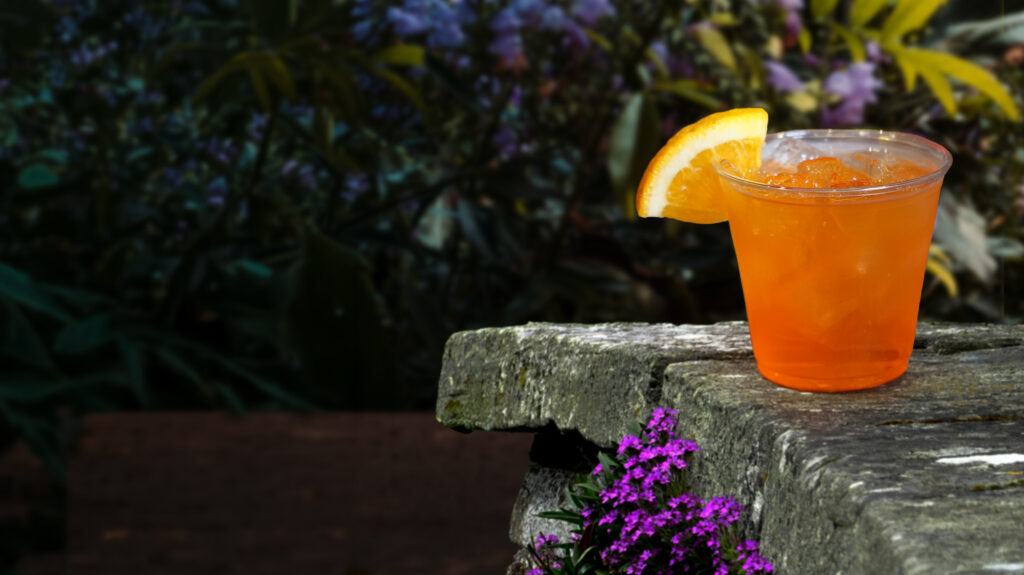
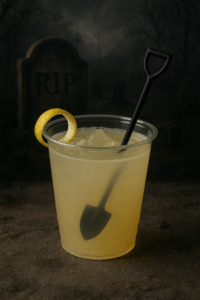
If you enjoyed the specialty cocktail at The Body Snatcher, here’s how you can make it at home.
The Corpse Reviver No. 2 is a classic Prohibition-era cocktail designed as a bracing “morning after” cure. Bright, aromatic, and refreshing, it’s a perfectly balanced mix of:
- Gin – crisp and botanical, forming the base.
- Cointreau (or another orange liqueur) – lending citrusy sweetness.
- Lillet Blanc (or Cocchi Americano) – adding a floral, slightly bitter note.
- Fresh lemon juice – for sharp acidity and brightness.
- Absinthe rinse – a subtle herbal kick that lingers in the background.
Served chilled in a coupe glass with a lemon twist garnish, the Corpse Reviver No. 2 is light, zesty, and deceptively smooth. Its playful name comes from its reputation as a hangover remedy, though bartenders often joke: “Four of these taken in swift succession will un-revive the corpse again.”
- Absinthe, to rinse
- 3/4 ounce London dry gin
- 3/4 ounce Lillet blanc
- 3/4 ounce orange liqueur
- 3/4 ounce lemon juice, freshly squeezed
- Rinse the inside of a chilled coupe or cocktail glass with absinthe, discard the excess and set the glass aside.
- Add the gin, Lillet blanc, orange liqueur and lemon juice into a shaker with ice and shake until well-chilled.
- Strain into the prepared glass.