The “Unreliable Narrator” is usually associated with novels, where a first-person narrator controls the reader’s perspective from within the page. But plays such as The Girl on the Train, The Murder of Roger Ackroyd, and The Glass Menagerie adapt the unreliable narrator into someone who reshapes the story live on stage.
In The Girl on the Train, Rachel Watson’s unreliability is due to her fractured memory. Her alcoholism, blackouts, and trauma mean that she cannot fully trust what she has seen or done. The stage version inherits the central tension of Paula Hawkins’s novel: Rachel is both witness and suspect, observer and participant. Her view from the train is detached, as she watches other people’s lives through a frame. But that frame is distorted by her own perspective. She invents identities and stories for strangers, which become so detailed that she starts to believe in their veracity. The search for truth becomes more than just about the crime, it’s about Rachel remembering who she is, and what she’s done.
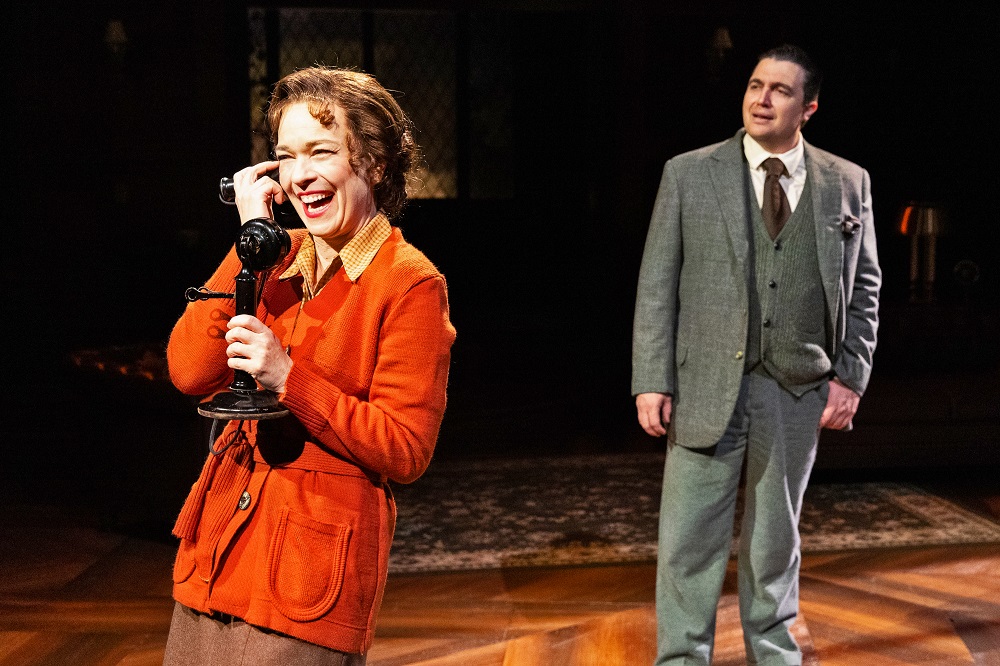
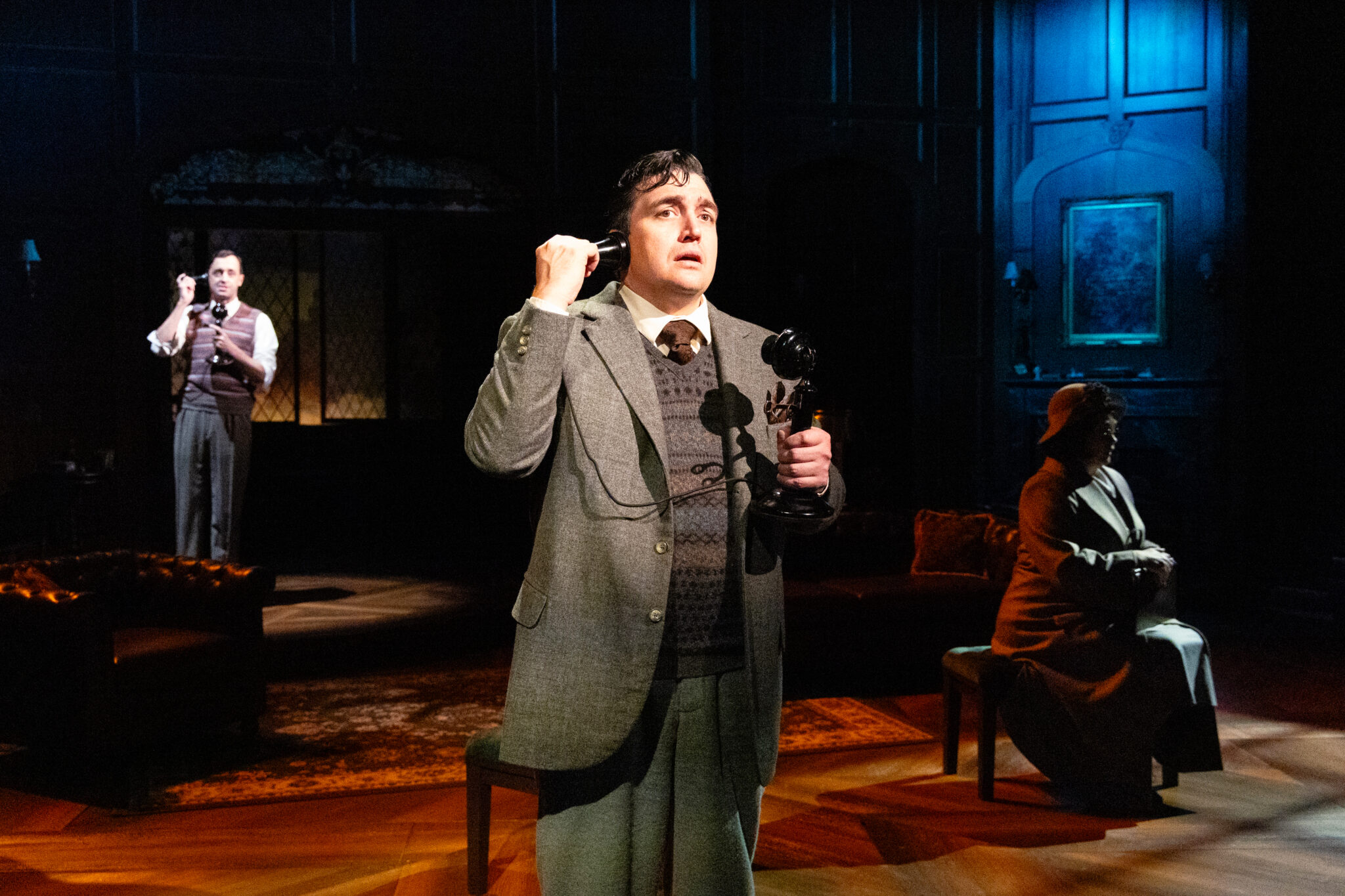
The Murder of Roger Ackroyd uses unreliability in a more deliberate and deceptive way. Dr. James Sheppard appears to be a trustworthy observer, like the helpful companion figures often found in detective stories: Hastings in the work of Agatha Christie, or Watson in the work of Arthur Conan Doyle. Because Sheppard records the case and assists Hercule Poirot, the audience is encouraged to believe that his version of events is honest. However, he manipulates the audience not with lies, but by omission. He leaves out the most important parts of his own involvement in the case, while guiding attention toward other suspects. The final reveal forces the audience to reconsider everything they have seen and heard, proving that even the person telling the story can be part of the mystery.
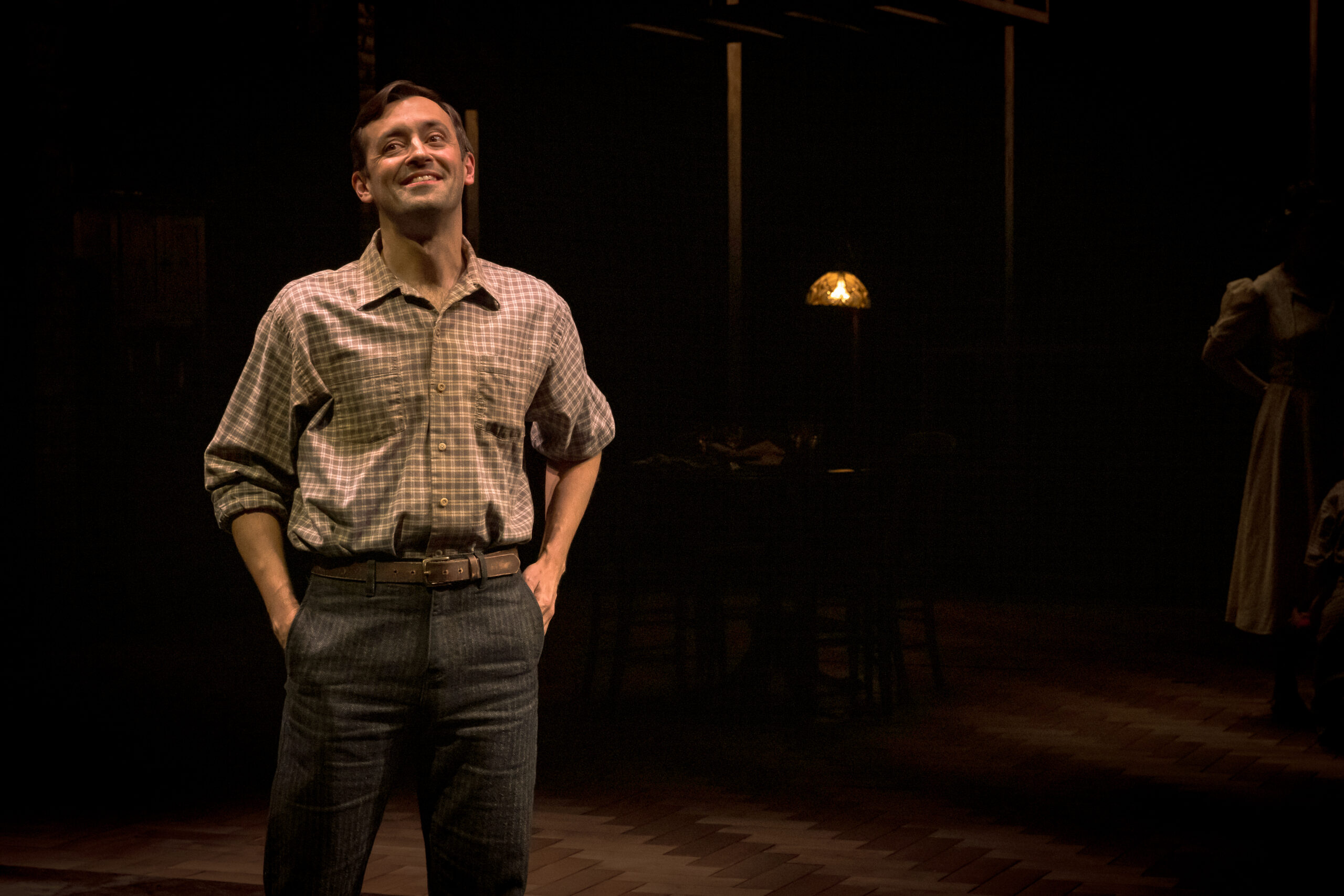
The Glass Menagerie presents a different but equally powerful form of unreliability. As the play opens, Tom Wingfield openly tells us that “the play is memory”. He is not exactly deceptive, rather, he is artfully selective of what he wants the audience to perceive. Amanda may appear overbearing, Laura fragile, and Tom trapped, but all these impressions are filtered through Tom’s guilt and desire for escape. Because he has abandoned his family, his narration becomes a kind of self-justification as well as confession.
Together, these plays show that unreliable narrators are not limited to the page. On stage, they have the ability to transform the story in real time. This brings us back to The Girl on the Train, where Rachel’s fractured memory requires the audience to question not only what happened, but how truth is discovered without memories to rely on. As Alley Theatre brings this modern psychological thriller to life, Rachel’s journey reminds us that the most powerful mysteries are not only about discovering who is guilty, but about learning how to see clearly through the stories people tell themselves.