 Baker Botts celebrates its 185th anniversary this year because the Gray family came to Houston in 1838, and the Grays’ oldest son, Peter, started practicing law in 1840. But the Gray family did more than begin a great law firm. They were leaders of many important civic institutions in Houston, including helping start the first public school, the first library, one of the first Protestant churches, and the Philosophical Society of Texas. Peter Gray, along with Botts and Baker, also represented the first railroads, banks, utilities, and canal companies. Gray and his cousin Botts also represented William Marsh Rice, whose “institute” is still an important client.
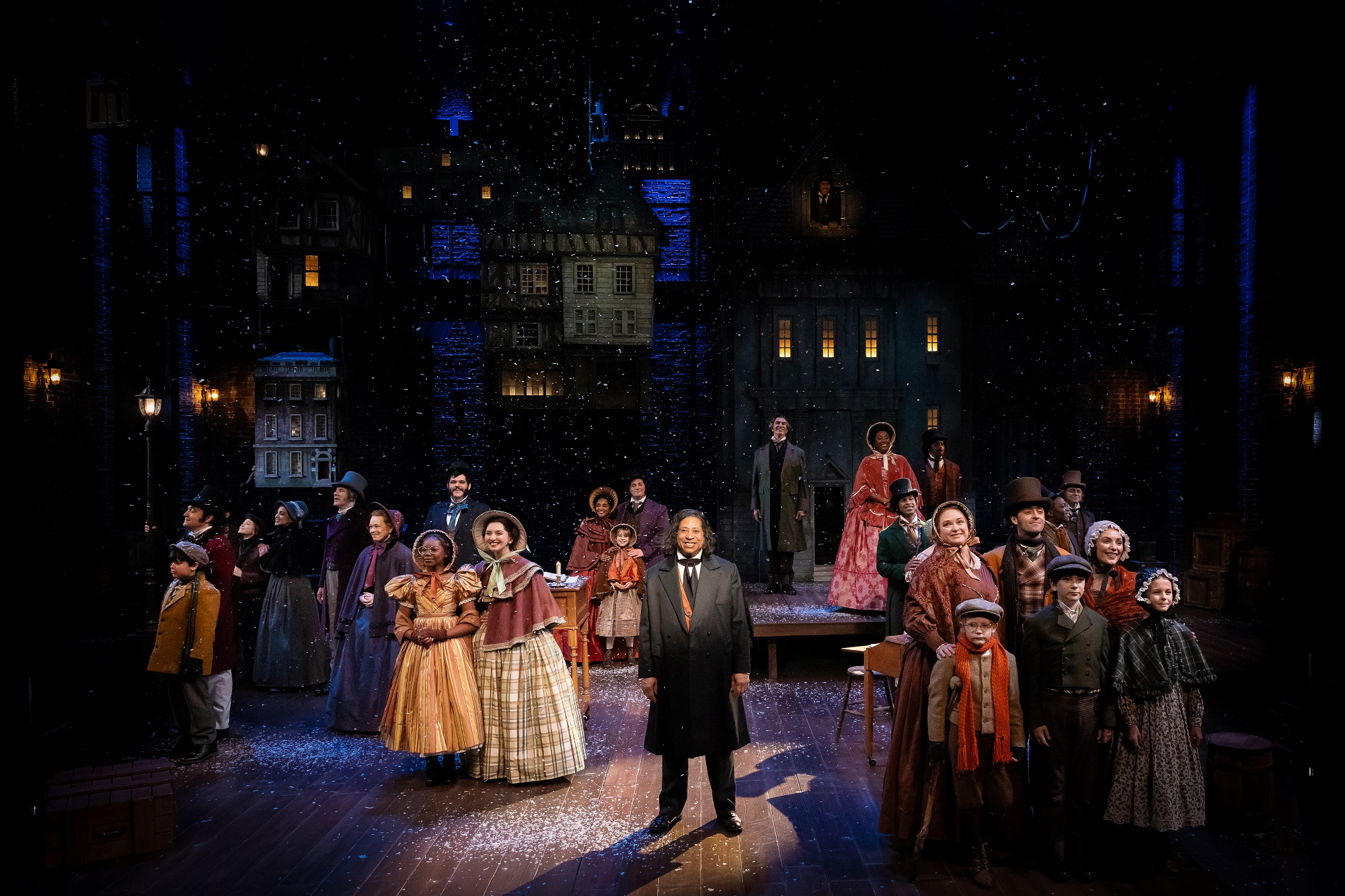
One of their major accomplishments was building, owning and operating one of the first public theaters in Houston – Gray’s Opera House (aka “Judge Gray’s Building” and “Gray’s Hall).
Gray’s Opera House was located directly across from the Court House Square and built shortly before the Civil War. By 1865, the musical hall was on the first floor and the firm’s office was on the second floor. One reason why Baker Botts is involved in nearly every major performing arts organization in Houston (and serves as General Counsel of the Cullen Trust for the Performing Arts) is because our office was founded in a theatre.
There were many other tenants. Gray’s brother, Edwin Gray, had his civil engineering and land agent office in the building. Other Houston lawyers officed there. Other tenants at different times included a retailer for I. M Singer sewing machines and the “Usenet & Japhets Wine and Beer Saloon” (on the first floor). One surprising tenant was Henning & Co., which sold smoked sausages and salmon, mackerel and “crystallized fruits” (whatever that is).
There were also many cultural attractions, balls, and social gatherings at Gray’s Opera House. During the 1870s and 1880s, performers included a famous violinist (Mark Kaiser of New Orleans), the Tagliapettra Italian Opera Company, and a “spiritualist,” J. M. Collville. The Ladies Parish Association of Christ Church, in which Peter’s wife, Jane, was involved, held banquets and tea parties to raise money for the poor. The Friends of Temperance held their meetings at the Hall, even though the saloon was located in the same building. The opera, Carmen, was performed there in 1881 by The Grand English Opera Company. There were even Hebrew “Purim Balls” and other balls hosted by Congregation B’Nnai Israel, maybe a small sprig of some cultural tolerance. There were also important speakers who came to the hall, such as Elizabeth Cady Stanton, one of the leading figures of the suffrage movement in the 19th Century. She visited Houston in 1875 to lecture on “Our Girls,” at a time when Texas was considering amending the Texas Constitution to enfranchise women. (It didn’t happen).
We know about all of these tenants, events, performances and speakers because historical Texas newspapers are now available online, and can be searched. I have spent many evenings reading 19th-century Houston papers – they are very interesting. There is also more that can be learned with a more detailed study. It would be nice to have a comprehensive history of the performing arts in Houston during the 19th Century.
And that takes us to Oscar Wilde. I am not a Wilde expert. However, in my estimation, Wilde was one of the most remarkable persons of the late 19th Century. He helped contribute to many of the social and cultural changes that later took place during the 20th Century, through his writings, lectures, and personal style. He challenged peoples’ views and feelings, and was fearless, even reckless, in asserting his individuality.
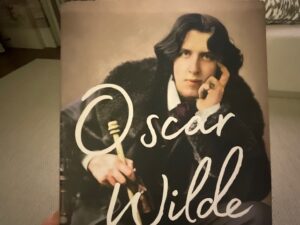
He came to America once in 1882, when he was only 28 and his career was just beginning. He wanted to make money and become famous. I have attached a colorized picture of Wilde from a recent biography that was taken of him and sold during his 1882 tour of North America. People often came to see his lectures just to look at him. He seemed to have been popular with the ladies. There were also product promotions that he was connected to, like a brand of cigars, that were connected with his visits. Photographs of him were also sold. People in the United States – and especially the South – had never seen anyone who looked like him, with his capes, long hair, cane and colorful fabrics. He toured throughout North America during 1882, giving about 100 lectures on aesthetics in cities throughout the United States, including every major city between New York and California. It speaks to the development of rails in the United States by that time that he was able to do this.
For whatever reason, his agent booked him in the South during the summer, which with hindsight seems a bit unwise, as the South was in the midst of many decades of Jim Crow intolerance. He was in Galveston on June 19, San Antonio on June 20 and 21, and Houston – at Gray’s Opera House – on June 23.
There is little discussion of Wilde’s visit to Houston during this tour in his biographies – in large part because he visited so many cities. But during our searches, we found contemporary newspaper accounts of his speeches in Galveston, San Antonio and Texas. Here is the review of his June 19, 1882 lecture at the Galveston Opera House in the June 20, 1882 edition of the Galveston Daily News.
Oscar Wilde’s Lecture.
It has been announced for the most part of the winter that Mr. Oscar Wilde would lecture in this city, and last evening he appeared before a Houston audience. Mr. Wilde is a young man of pleasing appearance, with long hair and somewhat affected manner, who has achieved considerable notoriety as an apostle of aestheticism.
His lecture last night was delivered before a large and fashionable audience, and if any had expected anything like a dry or practical discourse, they were mistaken. Mr. Wilde’s subject was the decorative arts, and he spoke at length upon the importance of beauty in the household and in everyday life.
He maintained that the presence of a truly beautiful object has an elevating influence upon the mind, and that the cultivation of taste is essential to the refinement of society. He illustrated his remarks with numerous references to art, architecture, and household decoration, drawing comparisons between the ancient and modern schools.
Mr. Wilde spoke in a slow, measured tone, with frequent pauses for effect, and his manner was at times somewhat theatrical. His language was ornate and occasionally obscure, but he was listened to with marked attention throughout.”
While some of his views were regarded as extreme, particularly his insistence upon the supremacy of beauty over utility, others found much to admire in his enthusiasm and earnestness.
In conclusion, Mr. Wilde expressed the hope that the people of this country would give greater attention to the cultivation of art, and that the influence of beauty might become more widely felt in American homes.
The Galveston Daily News in the June 23, 1882 edition briefly commented in a negative tone on Wilde during his visit to San Antonio: “Oscar Wilde has been seeing the sights today, but all interest in him is gone. The opinion that he is a pretty foolish fellow seems to be pretty general. He left on the evening train for Houston where he lectures tomorrow night.”
The Galveston Daily News later reviewed on June 24, 1882 his Houston lecture at Gray’s Opera House: “Oscar Wilde had a small audience tonight. There were three attempts to stop him by stamping in the gallery but they were promptly quieted.” The Houston Daily Post of June 25, 1882 commented, “We think Mr. Wilde’s manner, dress and delivery very unfortunate, but must confess that we cordially wish that his noble and blissful sentiments in respect to the ordering of a true and happy life would sink deep into the hearts of this people.”
After the Houston lecture, he continued east to New Orleans and ultimately to Alabama, where he had a private meeting with Jefferson Davis, of all people (Davis found Wilde “undefinable objectionable” and excused himself early). Wilde’s take on the South of 1882 was succinctly summed up by one of his stories: Wilde told an old southern gentleman one evening about how pretty the moon was at night. “Yes,” replied the man,” but you should have seen it before the war.” We don’t know whether anyone from the firm attended the lecture.
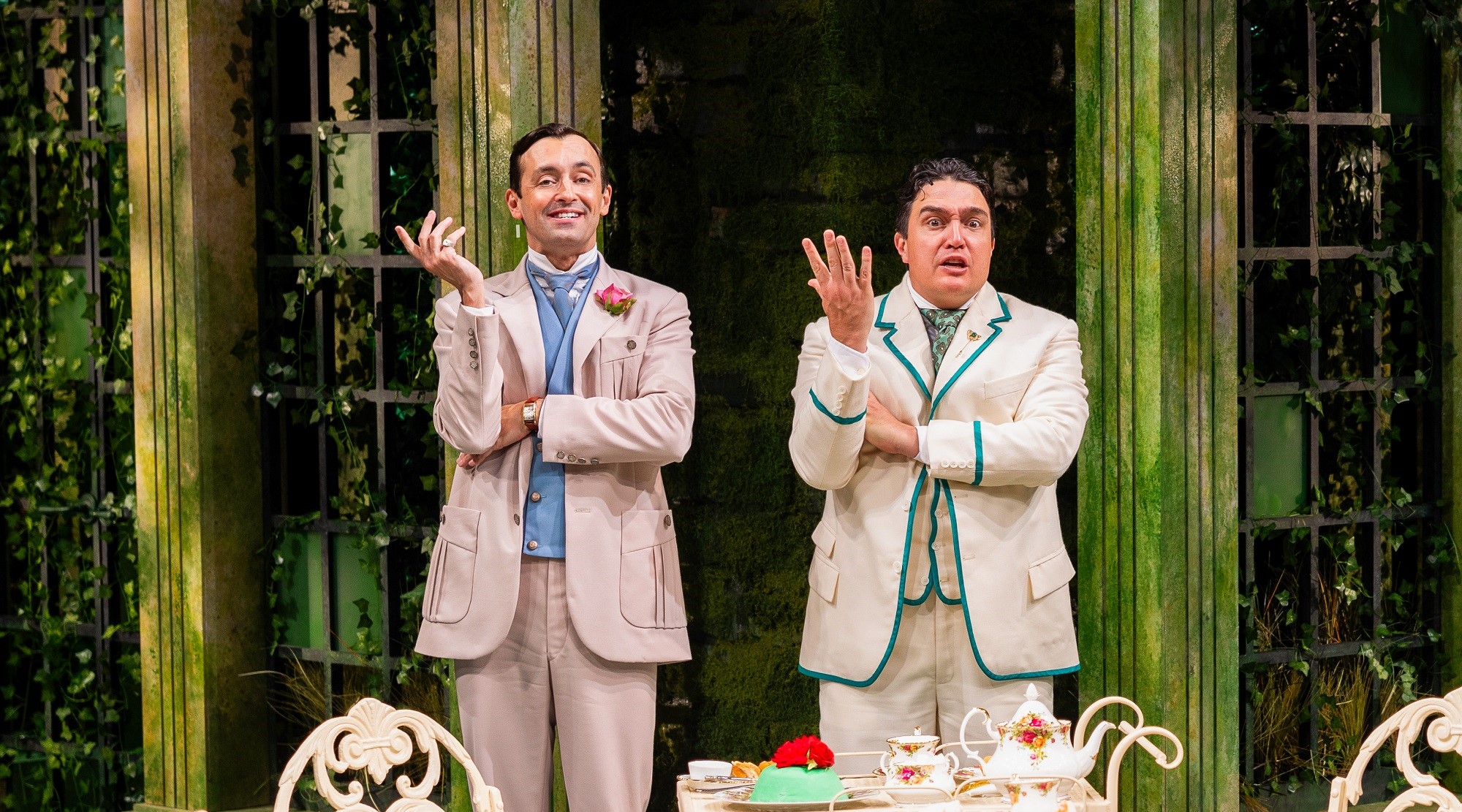
Wilde returned to England at the end of 1882, and proceeded to find his greatest success as a writer in the next decade. He wrote The Importance of Being Earnest in 1894.
Peter Gray died in 1874, leaving behind an estate to his wife Jane that included the theatre. Baker Botts moved out of Gray’s Opera House in 1878, after a 1876 fire. It was remodeled in 1879 – the remodeling was supervised by Benjamin Botts, the brother of Walter Brown Botts and the administrator of Peter Gray’s Estate. The Gray Family continued to own the theatre until 1885, when it was sold to Sweeney & Combs. Unfortunately, the theatre burned to the ground in 1889.
Was there any lasting impact on Houston by Wilde’s lecture? It would be hard to say, but aesthetics has always been one of the great challenges of the City of Houston. It was a dirty, ugly city when it was founded (as observed by Peter Gray’s mother in her diary when she came here in 1838), and persons including Ima Hogg, Dominique and Jean de Menil, Gerald Hines, Cornelia and Meredith Long, and Fayez and Louisa Sarofirm, to name a few, dedicated decades of their lives to the beautification of the City. One can say that Wilde was one of the first persons to highlight this as a challenge for Houstonians.
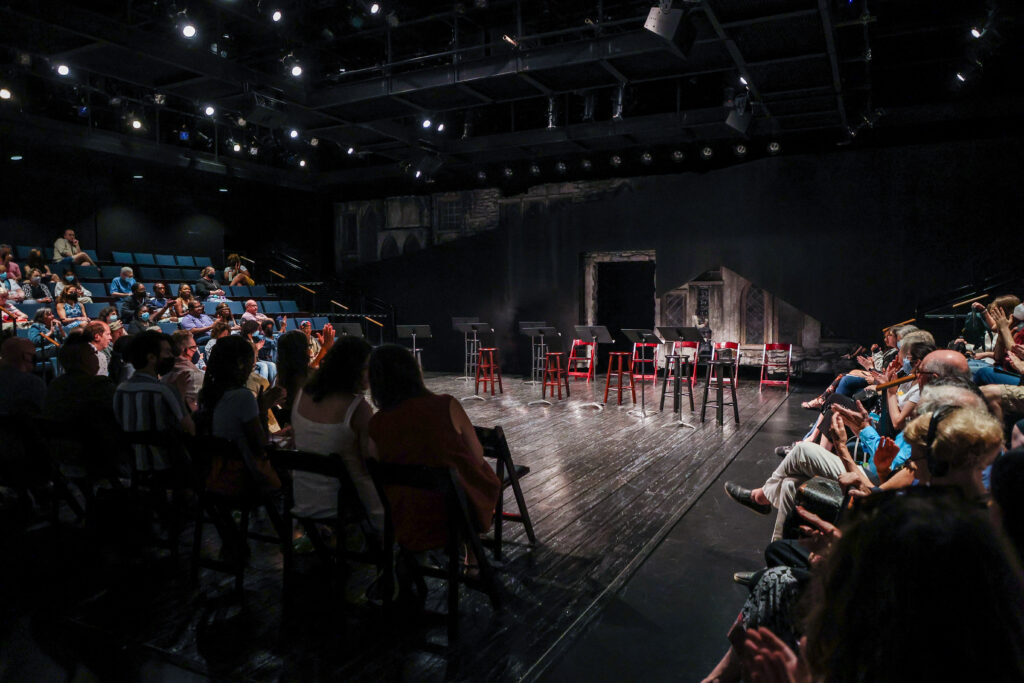
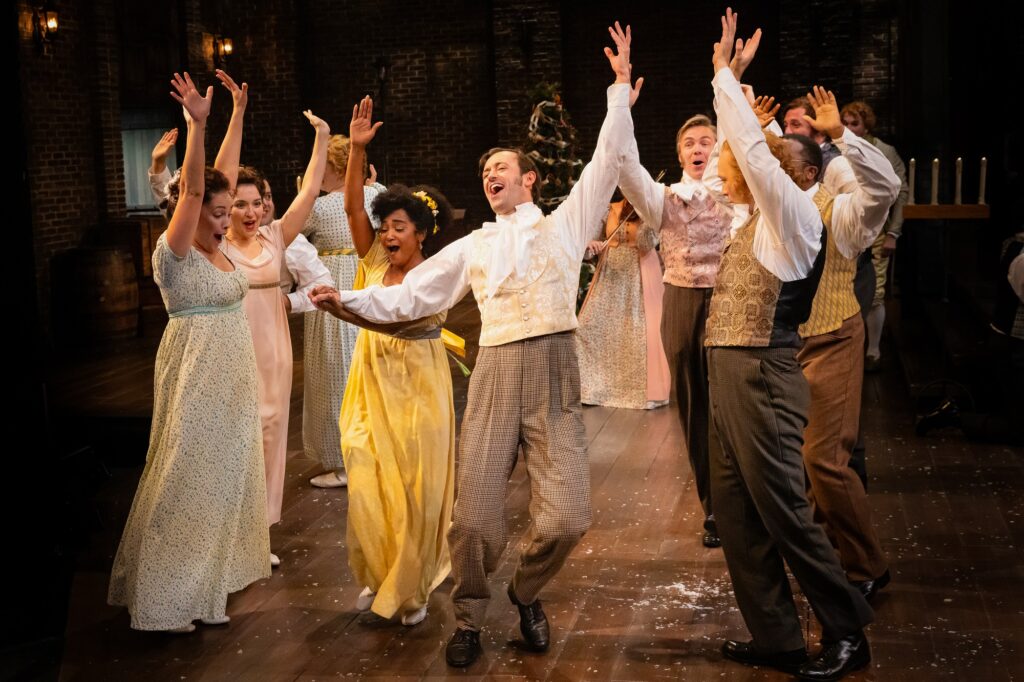
The Alley was full last night. Wilde’s wit has survived the centuries, and there were many loud laughs and applause throughout the evening. Afterwards, the crowd gave a robust standing ovation to the performance. Wilde has found his Texas audience, and would have enjoyed the evening.